
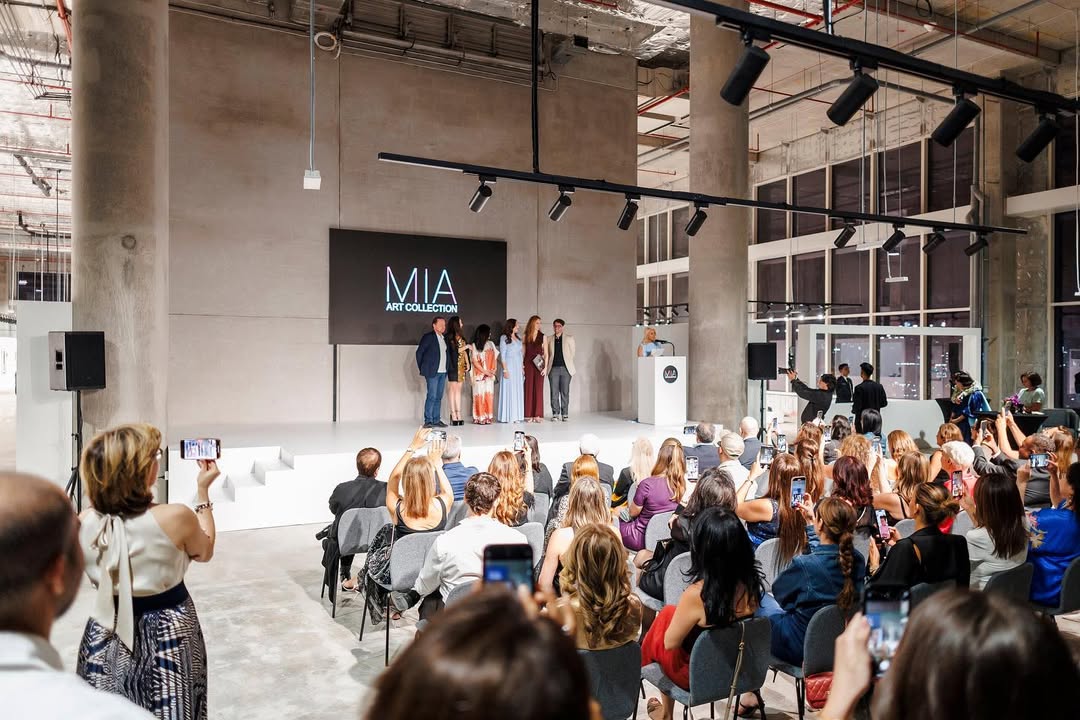
It is within our essential concept of life and evolution of the MIA Art Collection as one of the most important and remarkable art collections in the world exclusively dedicated to women artists that the MIA – MOLAA joint exhibition project is born.
An ambitious project that seeks to move the limits within which art is accustomed to move, responding to the new generations of people who love art and urgently need a new way of seeing and understanding museums and art collections, collections often entombed in buildings or structures that seem impenetrable to a more flexible and art-friendly society.
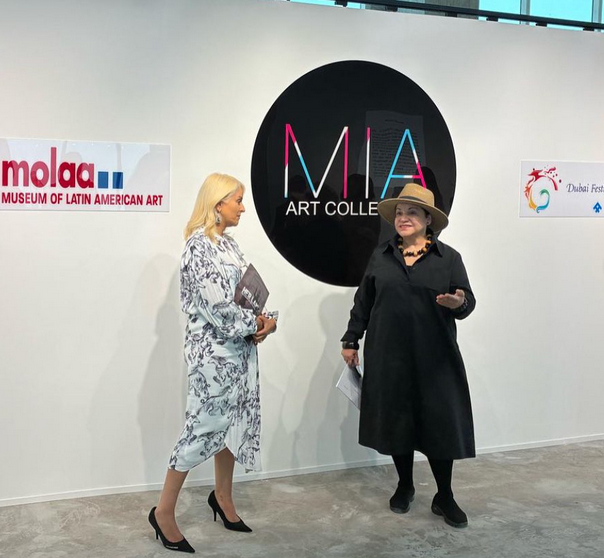
Our objective of this joint art exhibition of global reach is to move a world-class museum onto the eyes of spectators in Arab countries and into a public space, an innovative idea of transporting the museum as a static entity that customarily remains within their limits of spaces. Through the exhibition, MIA Art Collection explores the concept of moving a museum from one place to another, as a reflection for expressing the mobility and flexibility of women in the art world, between historically connected and related cultures and traditions.
This engaging MIA Art Collection project seeks to democratize art and bring art to the people, give back to the Community. Because we firmly believe that a society with art is a more cultured and educated society.
Through this joint MIA MOLAA exhibition, a true effort beyond boundaries, the MOLAA museum will travel with part of its collection to Dubai, UAE, casting a shared vision with MIA Art Collection to moving the limits of conventional understanding of what entails an art exhibition.
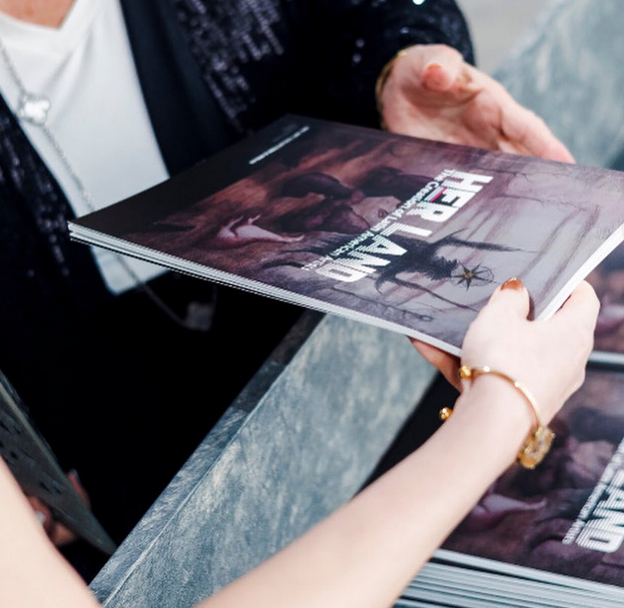
The exhibition “Her Land” will present more than 40 historical pieces by international women artists, uniting pieces from the MOLAA museum with pieces from the MIA Art Collection. In this exhibition there will only be internationally recognized artists, showcasing a blend of classic pieces and videos.
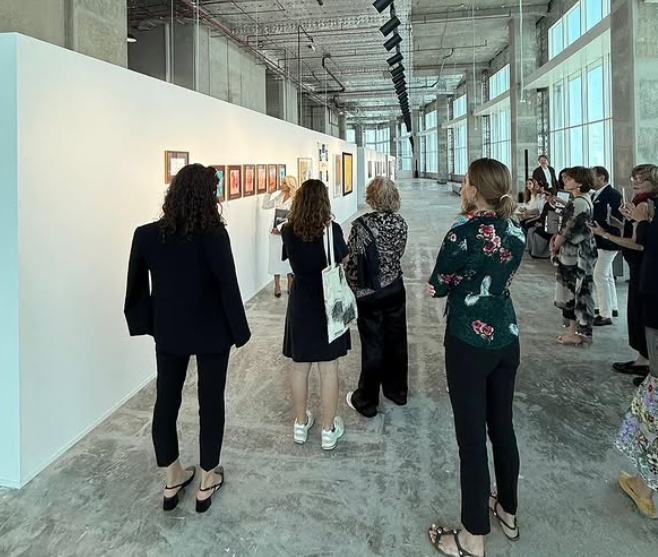
In this first-of-its-kind engagement it is a powerful sign that the city chosen by MIA Art Collection and MOLAA is Dubai, for its eclecticism, and international footprint and character, and today one of the centers of the modern world, to host this art event spectacle that goes beyond a simple artistic exhibition and involves multiple cultures and countries, a new way of seeing the world.
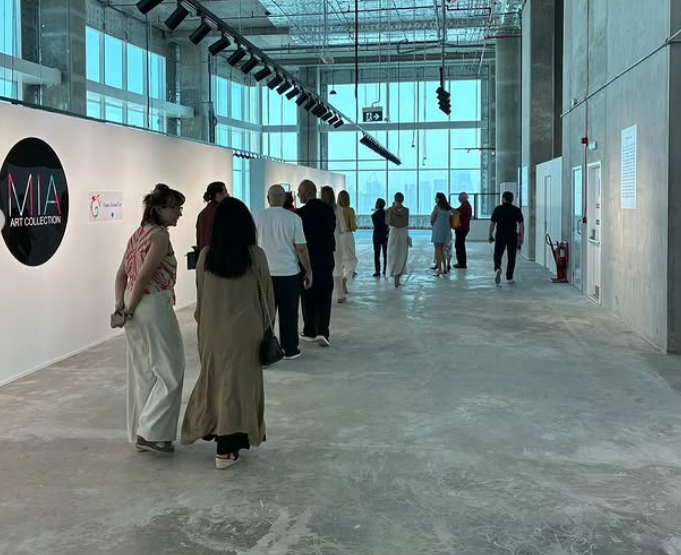
The curatorial line of this exhibition will be directed by MOLAA in conjunction with the curatorial team of MIA Art Collection.
Artists
Ana Mendieta
Ana Mendieta (Havana, 1948 – New York City, 1985) was born in Havana, Cuba in 1948. In 1961, two years after the Cuban Revolution, Mendieta and her sister were flown to the United States—two of around 14,000 children sent out of Cuba through “Operation Peter Pan,” an evacuation effort led by the Catholic Church, though encouraged by the CIA.
Ending up in Iowa, Mendieta and her sister spent years shuttled between foster homes and orphanages before reuniting with their mother and brother in 1966. Mendieta completed a bachelor’s degree in painting at the University of Iowa and then enrolled in the newly founded Intermedia MFA program led by Hans Breder, an early influence on her work.
Moving to New York in 1978, Mendieta was affiliated with the feminist cooperative art gallery, Artists in Residence (A.I.R.). Much of Mendieta’s practice—which spanned performance, video, and sculpture, among other media—was centered around the female body, with the artist herself appearing in many of her works. Mendieta’s art examined patriarchal violence, including a series of early performance and video works responding to the 1972 rape and murder of a female University of Iowa student.
Ana Sacerdote
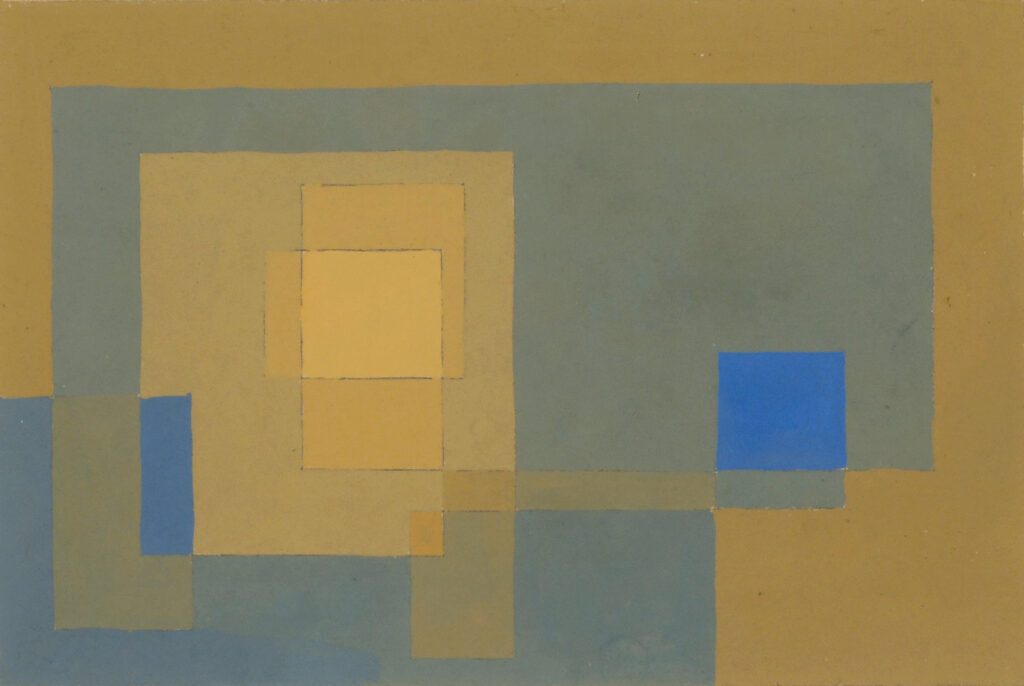
Ana Sacerdote (Rome, 1925 – Buenos Aires, 2019) was an Italian-born Argentinian artist who made abstract and geometric art. She was inspired by abstract French artists of the late 1940s and the Concrete Art Movement in Argentina, which experimented with abstraction over representational art forms to challenge the role of art in society.
Sacerdote was very interested in the relationship between musical composition and visual art. As new technology emerged in the 1960s and 70s, Sacerdote shifted her practice from painting to animation, video art, and computer-generated art while still experimenting with the influence of sound and music. Impacted by World War II, her family moved from Italy to Argentina when she was 14 years old. She studied in Argentina at the Manuel Belgrano School of Arts and Prilidiano Pueyrredon School of Fine Arts. In 1956, she received a grant to study painting and photography in Paris where she also participated in group exhibitions and the First Biennial of Young Artists in 1959. She also exhibited her first animated film at the 1965 São Paulo biennial and had solo exhibitions for her paintings in Brazil and Argentina. Her works can be found in the collections of Galeria Jorge Mara-La Ruche in Buenos Aires and The Museum of Latin American Art in Long Beach.
Annalee Davis
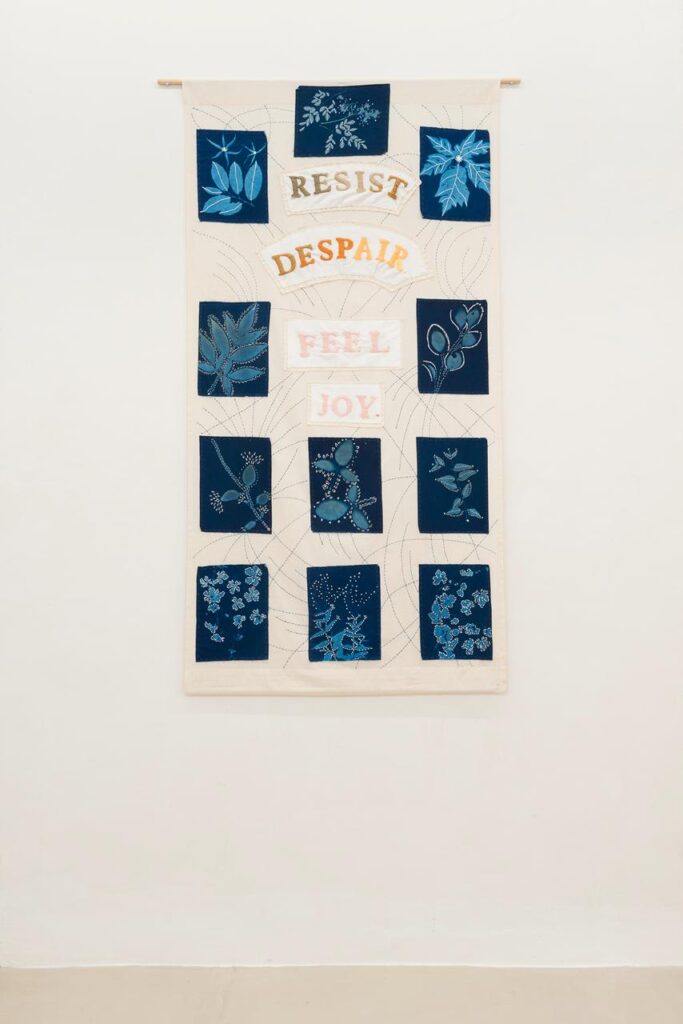
Annalee Davis (Barbados, 1963) is an artist whose work explores the legacy of colonialism, land, and identity in the Caribbean. Raised on a sugarcane plantation, her practice navigates the complexities of post-emancipation societies through drawing, installation, writing, and socially engaged projects that blur the lines between biography and history.
Davis studied at the Maryland Institute College of Art and the Rhode Island School of Design. In the 1990s, she began addressing the transformation of plantation economies and the role of land in shaping cultural memory. Her research-based work often incorporates organic materials and archival references, reflecting on both personal experience and broader historical forces. She is the founder of Fresh Milk, an art platform located on a former plantation site in Barbados, and co-founder of Tilting Axis, a network supporting Caribbean art practices.
She has exhibited at institutions including the Pérez Art Museum Miami, the Museum of Latin American Art in Los Angeles, and the Havana Biennial. Davis has received fellowships from international organizations and continues to play a key role in fostering decolonial discourse and artistic collaboration across the Caribbean and Global South.
Belkis Ayón
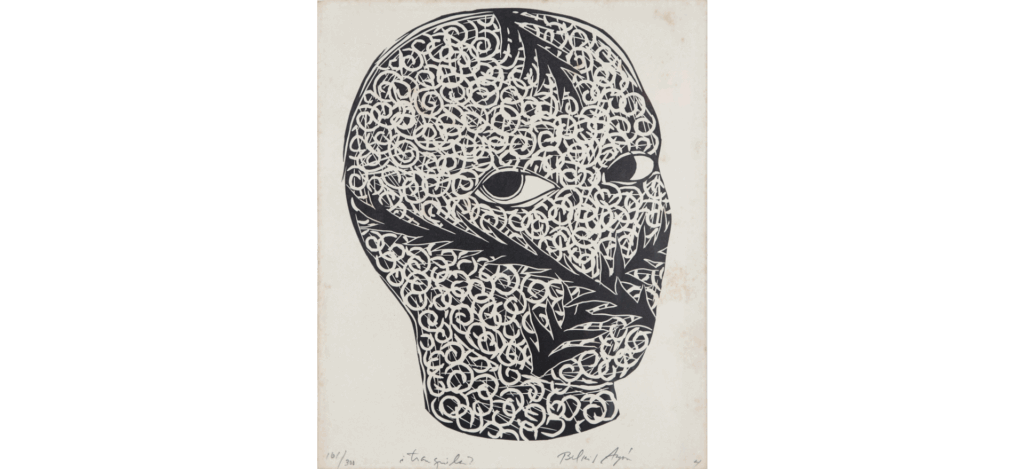
Belkis Ayón Manso (Havana, 1967-1999) was born in Havana, Cuba, where she dedicated her studies to the art of printmaking. She studied at the San Alejandro Academy of Fine Arts and later received her Bachelor’s in Printmaking from the Higher Institute of Art (ISA) in Havana in 1991.
Belkis Ayón Manso was a master of collagraphy printing techniques and her works primarily focus on depicting the mythology and traditions of the Abakuá, an exclusive, all-male,
Afro-Cuban religious society.
She won the International Prize at the International Graphics Biennale in Maastricht ‘93, and participated in biennials in Havana ‘91, Bahart Bhavan ‘91, Venice ‘93, Kwangju ‘97, and San Juan ‘98. In 1996, she received Distinction for National Culture in Cuba. Her work has been featured in solo exhibitions across Latin America and the United States and can be found in the permanent collections of the National Museum of Fine Arts in Havana, the National Museum of Engraving in Buenos Aires, the Museum of Contemporary Art Los Angeles, and the Museum of Modern Art in New York, among others.
Betsabeé Romero
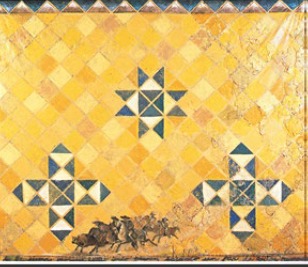
Lives and works in Mexico City. For more than 20 years, her work has specialized in the elaboration of a critical discourse about issues such as migration and mobility, through the re-imagination of symbols and daily rituals of the global consumer culture, such as cars, tattoos, and urban signage. In the same way, she has been interested in addressing the problems of public art and popular art, its permanence and relationship with the social fabric and with alternative audiences to contemporary art.
She has had more than 100 individual exhibitions on 5 continents, including those of the British Museum, Grand Palais, York Avenue in Washington, the Mexico Pavilion at Expo Dubai 2020, Place Du Louvre, the Vieille Bourse in Lille, the Gran Ofrenda del Zocalo in Mexico City, Nevada Museum of Art, Neuberger Museum, Nelson & Atkins Museum of art, Anahuacalli Museum, Dolores Olmedo Museum, Antiguo Colegio de San Ildefonso, Amparo Museum in Puebla, MARCO and Monterrey Museum, Canberra University Museum, Museo Carrillo Gil, Recoleta in Buenos Aires, and now at the Museum of Latin American Art (MOLAA).
She has participated in numerous residencies and international exhibitions such as the Havana Biennial, the Portoalegre Biennial, Art Grandeur Nature at the Courneuve, France, Le Clezio at the Louvre Museum, ECO Exhibition at the Reyna Sofía Museum, InSite 97 in San Diego – Tijuana, Bienal del Cairo, Kohj in Bangalore India, among others. Her work is part of important collections such as the British Museum Collection, MOLAA in Long Beach, California, Museum and Contemporary Art in Houston, Phoenix, Montreal, Daros Collection in Switzerland, Nelson & Atkins, Nevada Museum of Art Collection, World Bank in Washington, Gelman in Mexico, MOCA in Los Angeles, Museum of Monterrey, Museum of Contemporary Art of Portoalegre Brazil and others.
Brenda Obregón
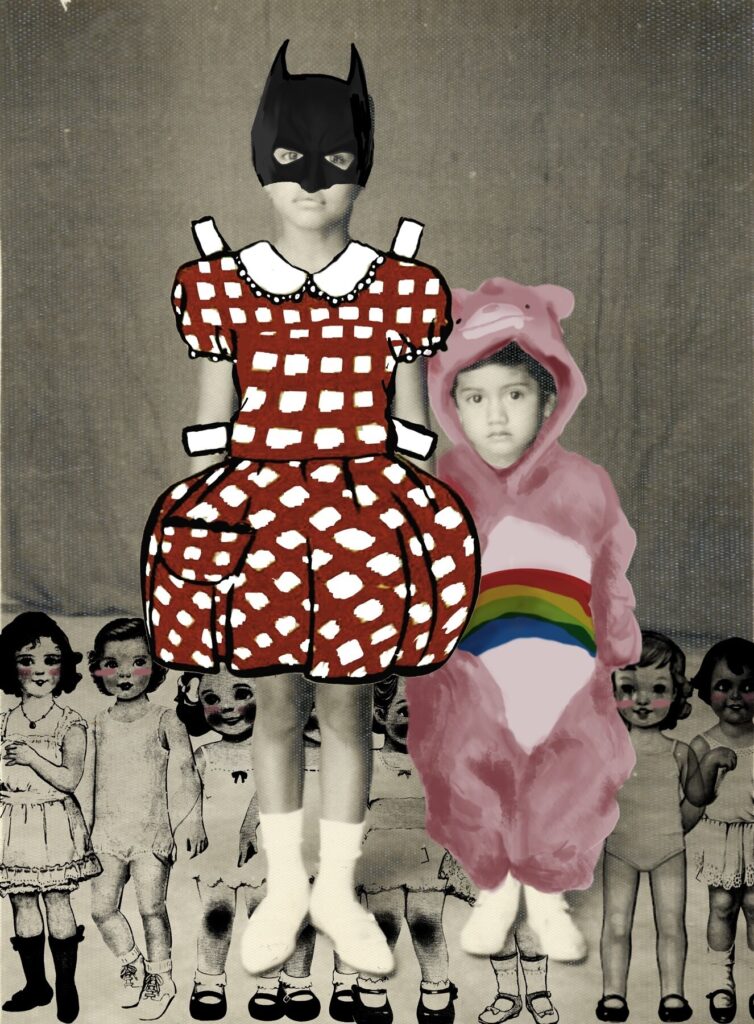
Brenda Obregón is a visual artist who lives and works in Chiapas, Mexico. She does photography, printmaking, and mixed media art that often depicts iconography of childhood, youth, pop culture, and cultural heritage as a vehicle for the artist to explore interpersonal relationships and her personal experiences.
Obregón received her degree in Visual Arts from the University of Sciences and Arts of Chiapas (Universidad de las Ciencias y Artes de Chiapas). In 2012 she received a Young Creators (Jóvenes Creadores) Fellowship from the Program of Artistic Creation and Development (Programa de Estímulo a la Creación y al Desarrollo Artístico (PECDA) hosted by the Mexican government.
She also received the Acquisition Award at the 8th Salón de la Plástica Chiapaneca 2013 and an Honorable Mention at the Bienal del Sureste 2014.
Her work has been exhibited nationally in Mexico and internationally, including at the Galería de Bellas Artes at the University of Murcia in Spain, at the Red Poppy House of Art in San Francisco in the United States, and at the Sala Mediatica at the Centro Cultural ARTIGAS in Uruguay.
Carmen Argote
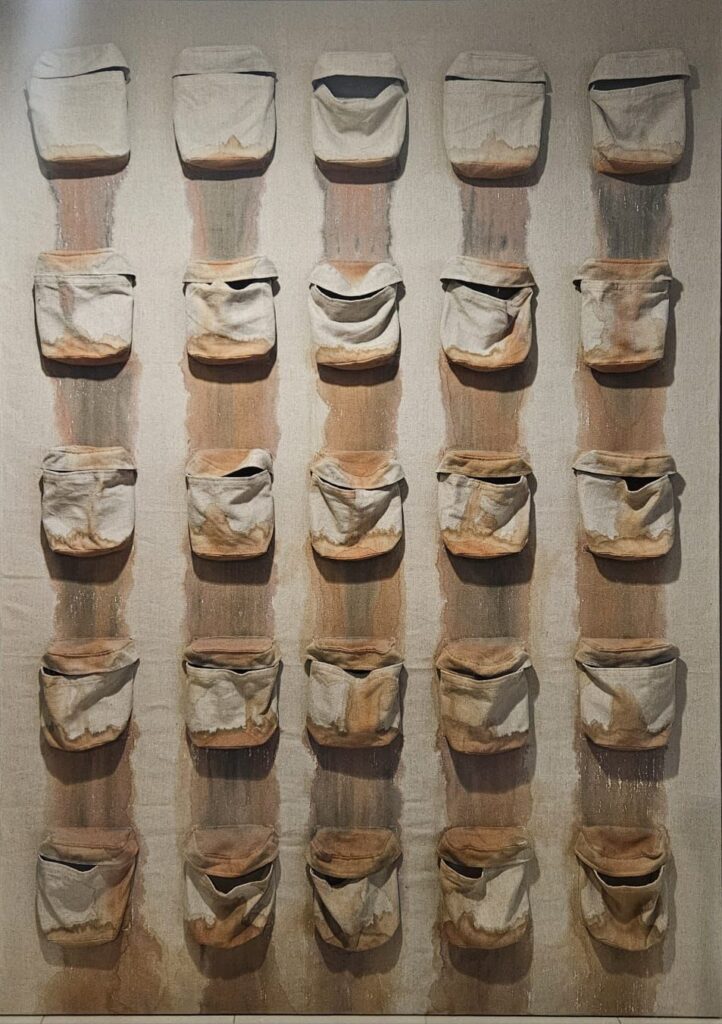
Carmen Argote is a multidisciplinary artist who works through the act of inhabiting a space. Argote’s practice is in conversation with the site she is working from, often pointing to the body, to class, and to economic structures in relationship to the architecture and to personal history.
The art-making process of the artist begins with searching, digesting, and engaging in dialogue with the spaces and places they inhabit. They often consider their body akin to a sponge, trusting in a corporeal processing of their surroundings. This act of digestion builds an understanding of the relationships between personal history, memory, cultural systems, and the collective energy of society.
The artist employs walking as a method to construct and develop the visual language of their work. The slowness of walking within a city like Los Angeles provides a sense of scale in relation to their body. This process compels them to confront ideas of class and consumption, as well as notions of home and place.
Carolina Alfonso
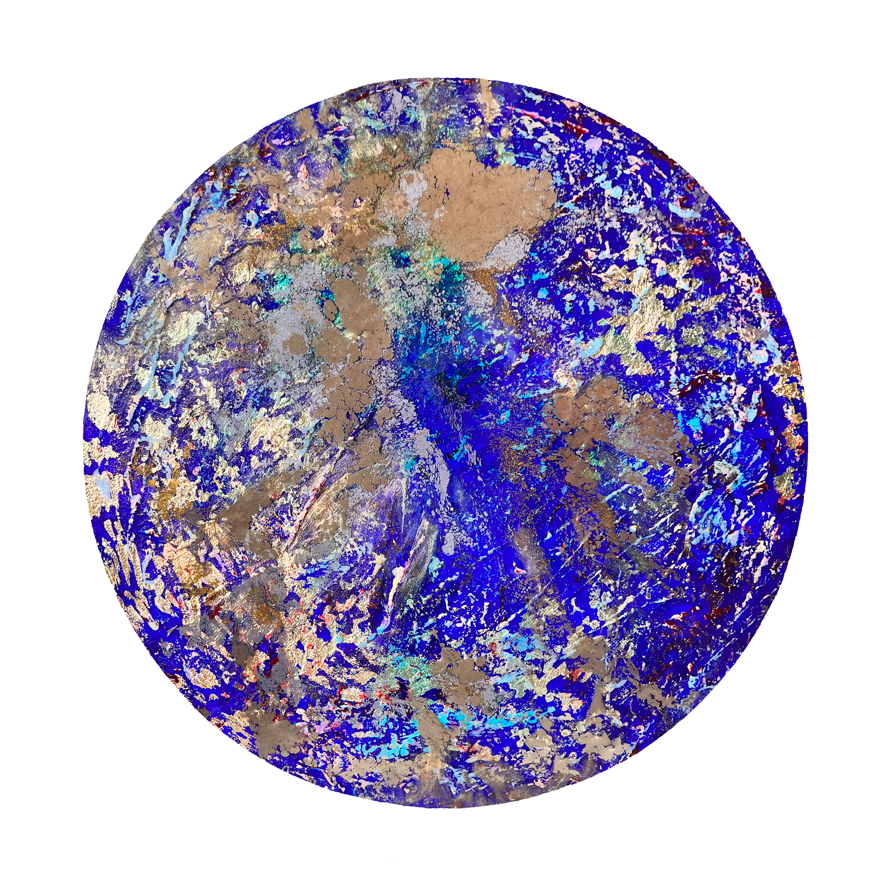
Latin American artist Carolina Alfonso began painting at a very young age. She studied at the Accademia di Belle Arti Pietro Vanucci, Perugia, Italy, University of San Francisco, Quito, Ecuador and achieved her Magna Cum Laude Master’s degree in Studio Art at New York University.
Carolina attended workshops at the Museum Reina Sofia in Madrid and at the Sorbonne in Paris. Carolina has the privilege of being one of the few female artists to be present in the permanent collection of the United Nations Palace in Geneva. She had individual exhibitions at Unesco in Paris, the United Nations Palace in Geneva, Maison de l’Amérique Latine in Monaco, among others.
Her artworks can be found in prestigious collections such as the Prince Albert II Foundation, Fondation Princesse Charlène, Maison de l’Amerique Latine and The Red Cross in Monaco, the UNESCO, the Egyptian Cultural Center, Egyptian Embassy, Ecuadorian Embassy and Panama Embassy in Paris, Maison de l’Amerique Latine in Lyon, France, the United Nations Palace in Geneva, Switzerland, the Canning House in London, England, the Emily Harvey Foundation in Venice, Italy, the Museum of Fine Arts in Hanoi, Vietnam, the National Museum in Angkor, Cambodia, International Center of Arts of Jinan, Shandong, in China, the Omar-Benjelloun Fondation in Marrakesh, Morocco, Art Museum of the Americas in Miami and MOLAA in California, United States, ALADI in Montevideo, Uruguay, Guayasamin Foundation in Quito, MAAC Guayaquil, and Art Modern Museum, Cuenca, Ecuador, Las Garzas Presidential Palace and National Bank Museum in Panama, as well as in several international galleries.
Her work is based on the wisdom that comes from nature and its process of constant transformation.
Cássia Aresta
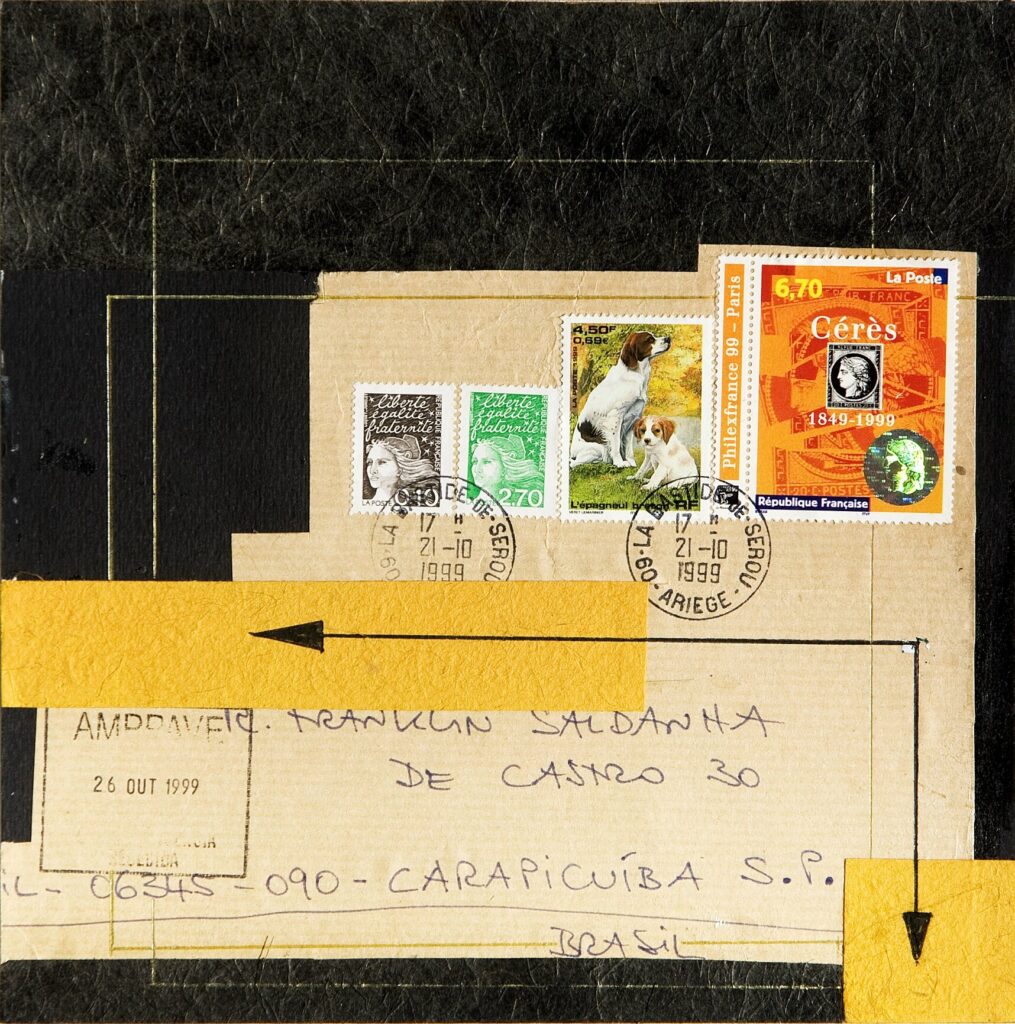
Cássia Aresta is a multimedia visual artist that lives and works in Florianópolis, Santa Catarina, Brazil.
Her compositions are geometric, exploring the relationship between elements like space, shape, line, value, and color to provoke reflection and introspection on the part of the viewer. In the 1990s she began studying in São Paulo, Brazil. She first attended the University Center of Fine Arts in São Paulo before training directly under accomplished contemporary Brazilian artists such as Tuneu, Britto Velho, Dudi Maia Rosa and Paulo Pasta.
Cássia Aresta has been featured in several group exhibitions in Brazil and abroad since the 1980s and participated in biennials in London ‘06 and Brussels ‘09. She has also held solo exhibitions in places such as FUNARTE, the Goethe Institute (in São Paulo, Bordeaux and Frankfurt), SESC, among others.
Doris Salcedo
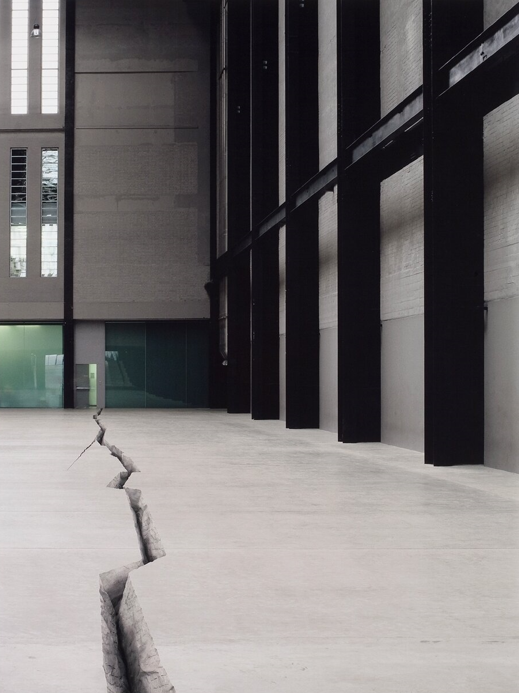
Doris Salcedo is a Colombian visual artist whose work primarily consists of sculptures and large-sale, site-specific installations that aim to give voice and visibility to victims of violence and suffering. Salcedo draws from personal experiences with the Colombian Civil War (1948-2016), but her works communicate a universal sense of grief, mourning, and loss.
Salcedo earned a Bachelor of Fine Arts degree from Tadeo Lozano University in Bogotá in 1980 and a Master of Fine Arts degree from New York University in 1984. She had been inspired by artists who used art as a strategy to promote political awareness and sought to incorporate powerful messaging into her own works.
Salcedo has received several awards, including a Solomon R. Guggenheim Fellowship in 1995, and has done solo and group exhibitions internationally, notably at the Tate Modern in London, as well as biennials in São Paulo ‘98, Liverpool 99’ and Istanbul ‘03, among others. Her work can be found in the collections of museums such as the Museum of Modern Art in New York, the Art Institute of Chicago, and the Museum of Latin American Art in Long Beach.
Eli Cortiñas

Eli Cortiñas is an artist of Cuban descent, born in Las Palmas de Gran Canaria in 1979. She has been a guest professor at the Kassel Academy of Art and the Mainz Academy of Art, and she currently shares a chair with Professor Candice Breitz at Braunschweig University of Art.
Cortiñas has been awarded numerous scholarships and residencies, including the Fellowship of the Botín Foundation, Kunstfonds, Villa Massimo, the Berlin Senate Scholarship for Video, Villa Sträuli, the Goethe Institute, Kölnischer Kunstverein, Rupert, and the Karl Schmidt-Rottluff Scholarship, among others.
Her work has been presented in institutions such as Museum Ludwig, Kunsthalle Budapest, CAC Vilnius, SCHIRN Kunsthalle, SAVVY Contemporary, Museum Marta Herford, Pinakothek der Moderne, Centro Atlántico de Arte Moderno, Centre Georges Pompidou, the Museum of Modern Art Moscow, Kunstmuseum Bonn, and MUSAC, among others, as well as in numerous international exhibitions and film festivals.
Cortiñas lives and works in Berlin.
Elvira Smeke
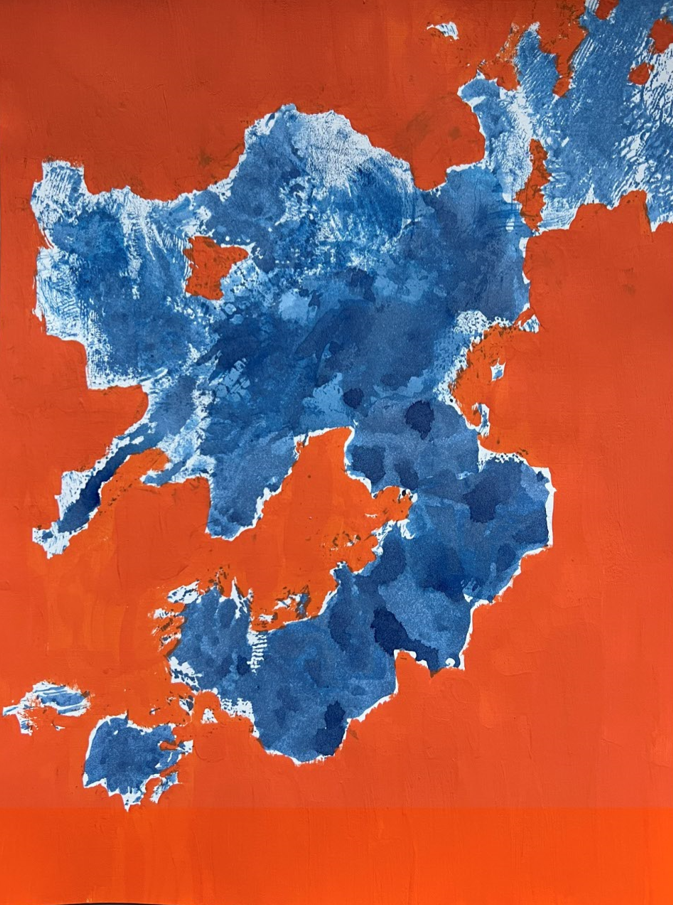
Elvira Smeke’s work (Mexico, 1978) stems from a reflection on the female condition in the contemporary world. Critically reclaiming patterns imposed on women through patriarchal structures, her strategies of “resistance” are activated precisely through bodily enjoyment. For this reason, her materials consist of domestic elements linked to labor and the supposed role of “complacency.”
In a way, Elvira Smeke’s work is deeply performative: she undertakes long walks in which she collects discarded objects. During these walks, Smeke creates interactions between the objet trouvé and her own body. All these processes construct highly complex autobiographical narratives that unfold through the accidents that occur during her activations.
In recent years, her practice has focused on her family roots and everyday life, which have become the foundation of her work. Although her production may appear to be of a formal nature, it is, in reality, anchored in traces, marks, and personal memories.
Leonora Carrington
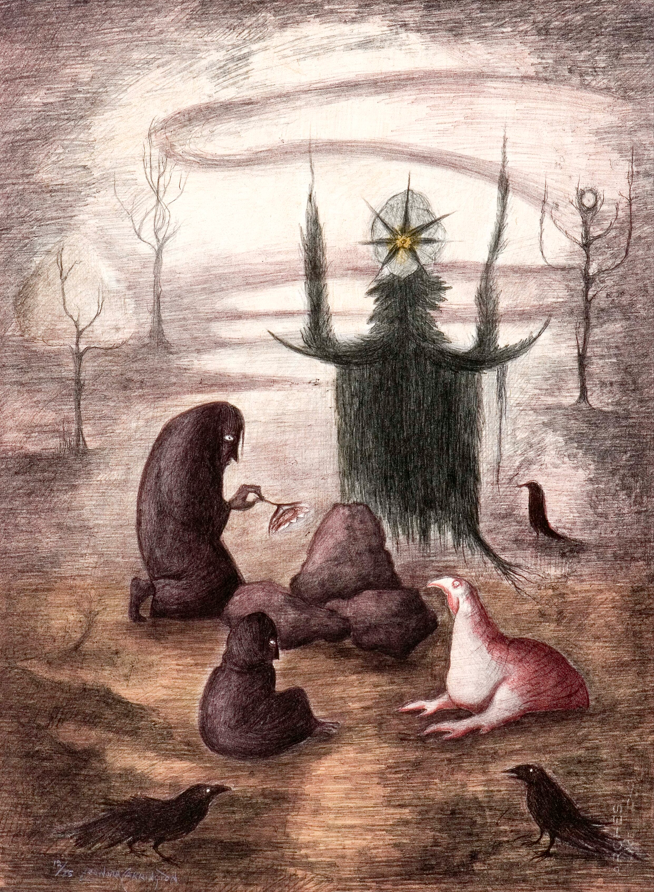
Leonora Carrington (Clayton-le-Woods, 1917 – Mexico City, 2011) was a British-born, naturalized Mexican surrealist painter.
Her works combined folkloric imagery and dream-like compositions that subverted expectations of femininity. Carrington was born in England to a wealthy and religious family. Stifled by traditional gender roles and societal expectations, she rebelled against her family to pursue art and was inspired by the potential for freedom and subversion explored by artists of the Surrealist movement.
She later became an advocate and leader in the Women’s Liberation Movement. In 1936, Carrington attended an academy founded by the French painter Amédée Ozenfant in London and later moved to Paris with her lover and renowned Surrealist artist, Max Ernst.
She was forced to flee Nazi-occupied France during the 1940s and settled in Mexico, where she lived for the rest of her life. In Mexico, Carrington was inspired by the vibrancy of Mexico City and the rich Indigenous folklore and mythology. She was part of a thriving artist community with other exiled European artists and began exhibiting her work in Mexico and the United States.
Carrington’s work can be found in the collections of museums worldwide, including The Museum of Modern Art in New York, The Tate in London, The National Museum of Women in the Arts in Washington, D.C., the Museo de Arte Modero in Mexico City, and the Museum of Latin American Art in Long Beach, among others.
Magdalena Correa
Magdalena Correa (b. 1968, Santiago, Chile) is a Madrid-based artist specializing in photography and video installation. She holds a Fine Arts degree from the Pontifical Catholic University of Chile and a Ph.D. in Photography from the Polytechnic University of Catalonia, Barcelona. In 2019, she earned a Master’s in Cinematographic Photography Direction at ECAM, Madrid.
Her work explores isolated and extreme territories, including La Rinconada (2013), about the world’s highest gold mine in Peru, Luxury has a New Address (2014), examining wealth in Kuwait, and Wayúu (2015), focusing on the Wayúu people in Colombia.
She has exhibited at institutions such as the Museum of Contemporary Art (Chile), Fundación Telefónica (Argentina and Chile), Museu da Casa Brasileira (Brazil), and the Museum of the Americas (USA). Her work is part of collections like the Reina Sofía Museum (Spain), IVAM (Spain), Banco de España, and private collections, including those of Baroness Thyssen and Carlos Slim.
Correa has participated in major contemporary art fairs such as Paris Photo, ARCO, Art Basel Hong Kong, and SP-Arte. She has received awards like the Alfredo Valenzuela Puelma Photography Prize and grants from Fondart (Chile), Casa Asia, and the Goethe Institute. Her work has been featured in El País, ABC Cultural, El Mercurio, and Harper’s Bazaar Kuwait, among others.
María Bonomi
María Bonomi is an Italian-born Brazilian artist who specializes in lithography and sculpture. In exhibiting her prints, Bonomi advocated for the accessibility of art by doing large print runs and having her engravings exhibited on walls instead of in cases, as was the norm at the time.
She is a major contributor to the field of public art and transforming and enriching the urban landscape. She studied under renowned São Paulo artists Yolanda Mohalyi and Lívio Abramo and held her first solo exhibition in 1956 at the Museu de Arte Moderna do São Paul. In 1958, she took courses at New York University and Columbia University and received a scholarship from the Ingram-Merril Foundation to study at the Pratt Graphic Art Center. That same year, she held her first solo exhibition in the United States at New York’s Roland de Aenlle Gallery.
In the 1960s, she co-founded an engraving studio with her former teacher, Lívio Abramo, while continuing to exhibit and receive national awards and recognition for her works.
Bonomi has exhibited extensively nationally and internationally, and her works can be found in the collections of the Museum of Latin American Art in Long Beach, the Museum of Modern Art in New York, and the Museu de Arte Moderna in São Paulo, among others.
Patssi Valdez
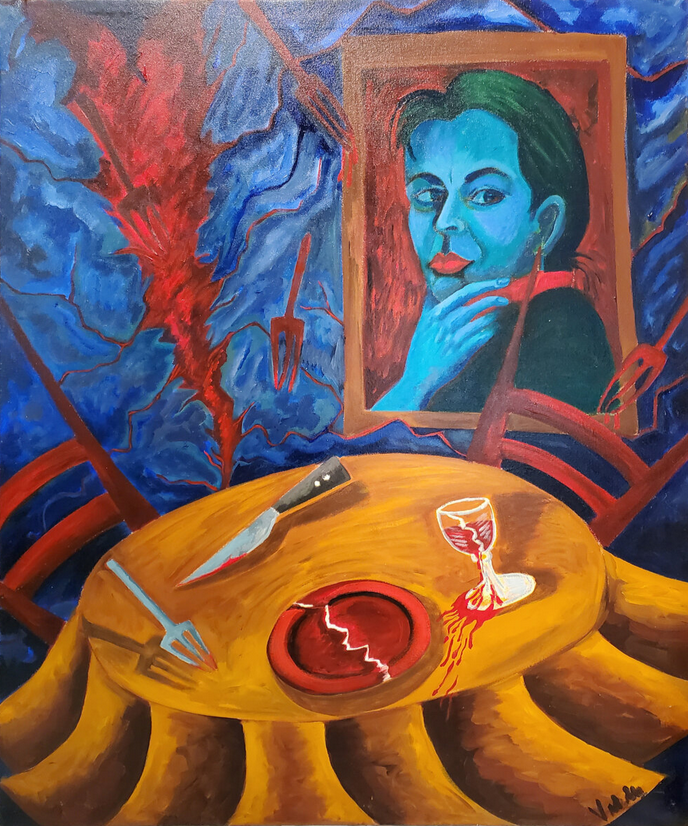
Born and raised in East Los Angeles, Patssi Valdez is a visual artist, designer, and painter known for her vibrant paintings, installations, and performance art that express the Chicana experience.
She is the only woman among the founding members of the avant-garde Chicano art collective ASCO. Alongside Asco founding members Harry Gamboa Jr., Willie Herrón, and Glugio ‘Gronk’ Nicandro, Valdez did street performances and installations that challenged the systemic erasure and discrimination against Chicanos in the United States. Valdez also broke boundaries in male-dominated spaces and defied traditional expectations for minority women artists.
Valdez received a Bachelor of Fine Arts from the Otis College of Art and Design in Los Angeles in 1985. Her subsequent paintings as an individual artist incorporate popular imagery and religious and cultural symbolism and make use of saturated colors and depict domestic interiors in a floating, dream-like, surreal manner.
Valdez received artist fellowships from the J. Paul Getty Trust Fund for the Visual Arts, the National Endowment for the Arts, the Brody Arts Fellowship in Visual Arts, and a Durfee Artist Fellowship. She has participated in major solo and group exhibitions across the Unites States and her artwork can be found in the collections of the Smithsonian American Art Museum in Washington, D.C., The Whitney Museum of American Art in New York, The Cheech Marin Center for Chicano Art and Culture in Riverside, and the Museum of Latin American Art in Long Beach.
Raquel Forner
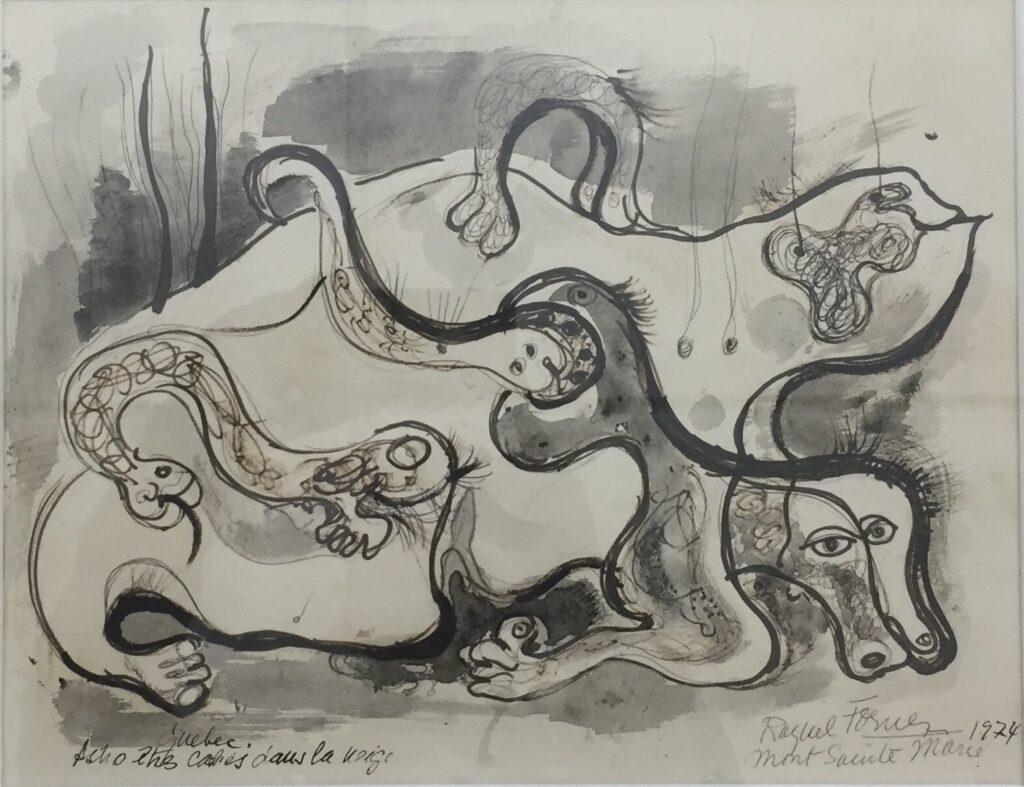
Raquel Forner (Buenos Aires, 1902 – Buenos Aires, 1988) was an Argentinian painter known for her avant-garde, expressive artworks. Born and raised in Buenos Aires, she graduated from the National Academy of Fine Arts in 1922 and held her first solo exhibition in 1928.
In 1929 she traveled to Europe and became the only woman to join the Grupo de París, a group of Argentinian artists living and studying art in Paris, France. Forner exhibited alongside Horacio Butler and Juan Del Prete, members of the Grupo de París, in the first group exhibition of Latin American artists in Paris at Galerie Zak in 1930.
Influenced by tragic events of the Spanish Civil War (1936-1939) and the Second World War (1939-1945), Forner explored themes of grief and suffering experienced by women during the wars, incorporating elements of Surrealism and the avant-garde into her paintings.
Beginning in the 1950s until the 1970s, Forner was influenced by the Space Race during the Cold War and became one of the first fine artists to create pieces about outer space and celestial bodies.
Her work has been widely exhibited nationally and internationally as an individual and in group exhibitions and she received two Konex Awards for her contributions to Argentinian culture and the visual arts. Forner’s works can be found in the collections of the Musée national des beaux-arts in Quebec, the Art Museum of the Americas in Washington, D.C., and the Museum of Latin American Art in Long Beach, among others.
Raquel Paiewonsky
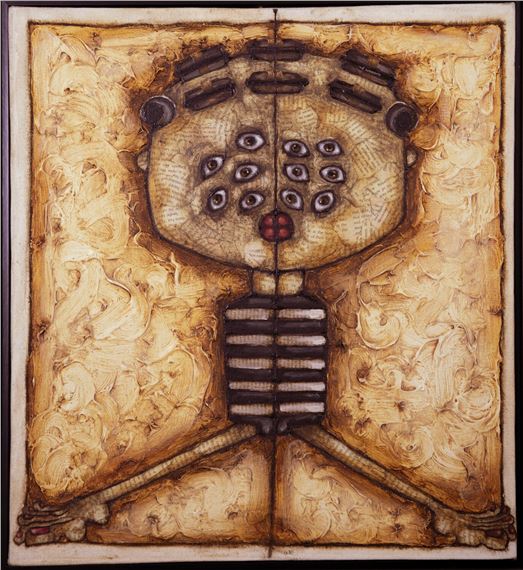
Raquel Paiewonsky is a Dominican artist who lives and works in Santo Domingo, Dominican Republic.
She was born in Puerto Plata and attended the Altos de Chavón School of Design in La Romana. In 1991, she moved to New York City, where she lived for ten years and received a Bachelor of Fine Arts degree from Parsons The New School for Design.
Paiewonsky is a multimedia artist. She works with painting, photography, and sculpture, in many cases combining medias to explore issues concerning gender and femininity. Her work explores the human body as a container that absorbs and reflects the cultural constructions and stereotypes that exist in society.
Since 2008, Paiewonsky has been part of the Quintapata art collective, along with Belkis Ramírez, Pascal Meccariello and Jorge Pineda. Their intention is creating joint projects that promote visibility, art, and artistic dialogue in the Dominican Republic and abroad. Paiewonsky has done solo and group exhibitions across the United States and Latin America, including biennials in Havana ‘03, Cuenca ‘09, and Venice ‘13.
Her work can be found in the Museum of Modern Art in Santo Domingo, the Daros Latinamerica Collection in Zürich, The RISD Museum in Providence, and the Museum of Latin American Art in Long Beach, among others.
Roser Bru
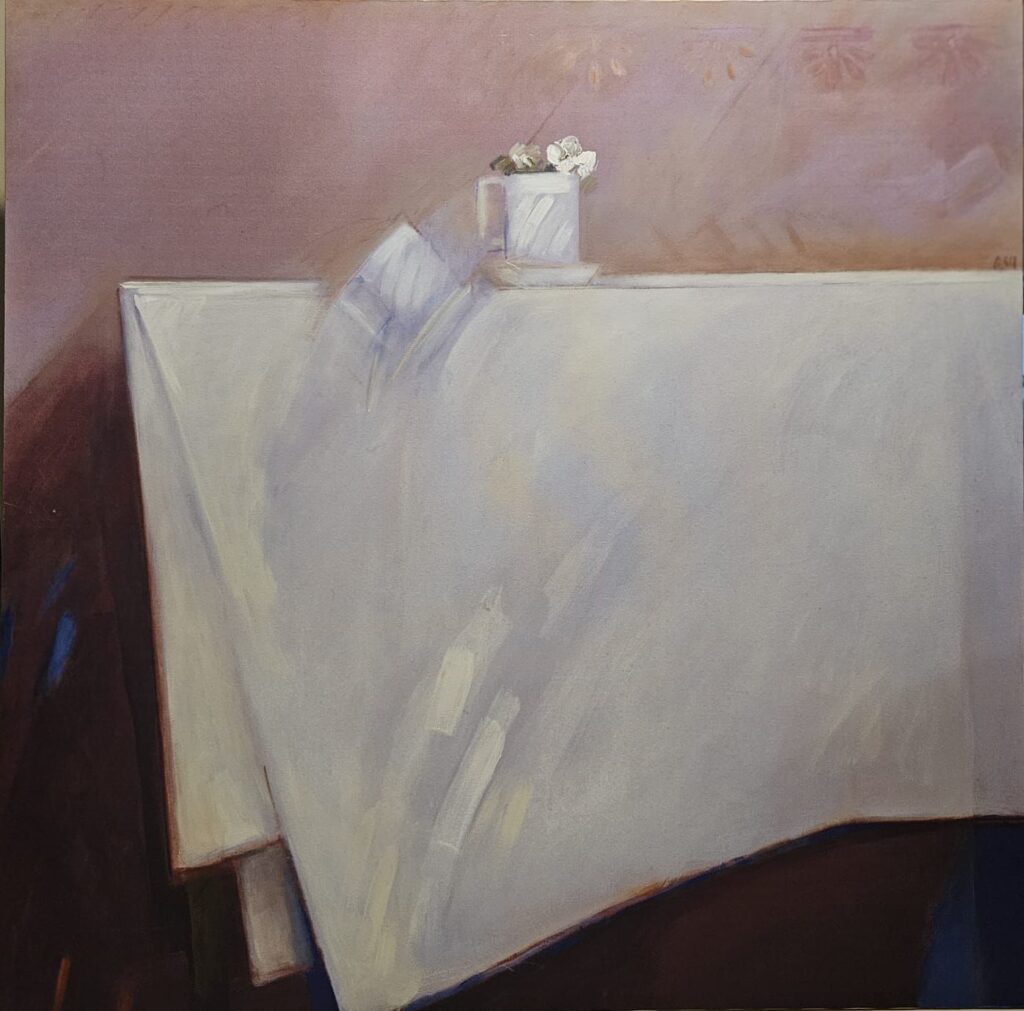
Roser Bru was a Spanish-born Chilean painter and engraver associated with the neo-figurative art movement.
Roser Bru was born in Barcelona in 1923. The following year her family went into exile in Paris, France, as a result of the dictatorship of Miguel Primo de Rivera. Four years later, they returned to their hometown where Bru studied at the Montessori School and later, in 1931, at the Institut-Escola de la Generalitat de Catalunya. After the Spanish Civil War, in 1939, she moved back to France, where she embarked for Chile on the SS Winnipeg. She arrived in Valparaíso on 3 September of that year.
She studied painting at the School of Fine Arts of the University of Chile from 1939 to 1942, where she was a student of Pablo Burchard and Israel Roa. In 1947 she joined the Plastic Students Group, along with other artists such as José Balmes, Gracia Barrios, and Guillermo Núñez. In 1957 she began her engraving studies at Taller 99, directed by Nemesio Antúnez.
Bru exhibited in several countries in Latin America, as well as in Spain, while some of her works are in the Museum of Modern Art in New York, the Brooklyn Museum, the Santiago Museum of Contemporary Art, the Chiloé Museum of Modern Art, the Chilean National Museum of Fine Arts, the Museo de la Solidaridad Salvador Allende, the National Historical Museum, the Metropolitan Museum of Art, the Museum of Modern Art in Rio de Janeiro, and the Staatliche Museen in Berlin, among others.
Sonia Gomes
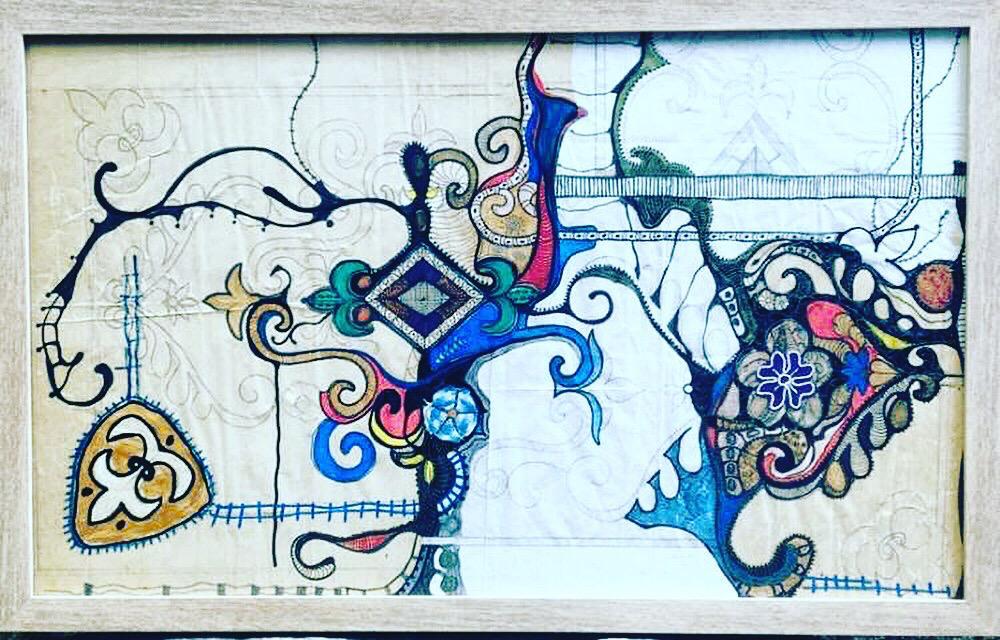
Sonia Gomes is a Brazilian contemporary artist who lives and works in São Paulo, Brazil. Gomes frequently employs found objects and textiles in her works, twisting, stretching, and bundling them to fashion wiry or knotty sculptural forms.
Gomes combines secondhand textiles with everyday materials, such as driftwood, wire, and furniture to create abstract sculptures. Her compositions stem from a spontaneous and casual practice of deconstructing and re-assembling everyday objects. Gomes’ use of found and gifted objects is informed by her decolonial standpoint and is both a manifestation of Brazil’s rapid and uneven industrial development and a critique of Brazil’s culture of wasteful consumption and environmental destruction.
These materials, which arrive at her studio more or less by chance, guide her through the creative process and “always tell [her] what they want to be” as she reshapes and entangles them into one another. She often juxtaposes soft and hard materials, creating movement in her sculptures which allude to her love of popular Brazilian dances. Gomes’s work features in international collections and is exhibited in the David Geffen Wing of the Museum of Modern Art. The artist is represented by Mendes Wood DM, Blum & Poe, and Pace Gallery.
Tania Candiani
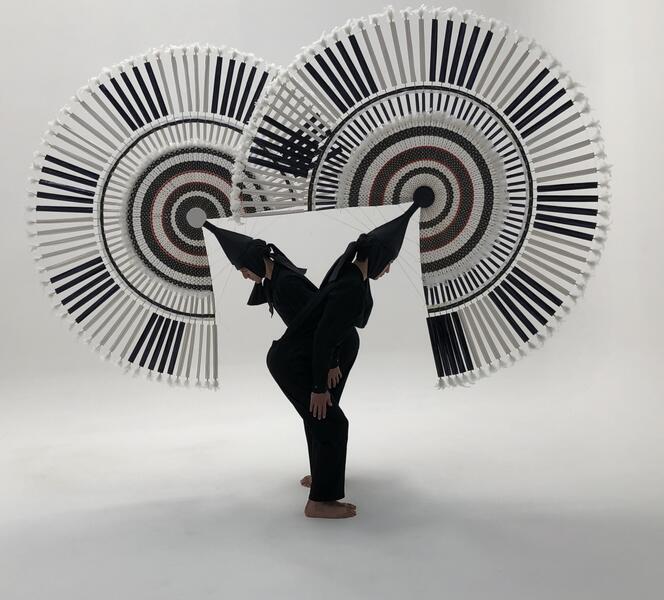
Tania Candiani lives and works in Mexico City. She practices at the crossroads of different language systems, including phonic, graphic, linguistic, symbolic, and technological. Translation across distinct systems of representation is essential in the creation of her work.
She received a Guggenheim Fellowship for the Arts in 2011, a National System of Art Creators in Mexico Fellowship in 2012-2014 and 2017-2019, and an Artist Research Fellowship from the Smithsonian Institution in 2018. Candiani represented Mexico in the 56th International Venice Biennial in 2015.
Her work has been exhibited in museums, institutions, and independent spaces around the world and is part of important public and private collections, including the Museum of Latin American Art, the San Diego Museum of Art, and the Museo Universitario Arte Contemporáneo (MUAC) in Mexico City, among many others.
Teresa Giarcovich
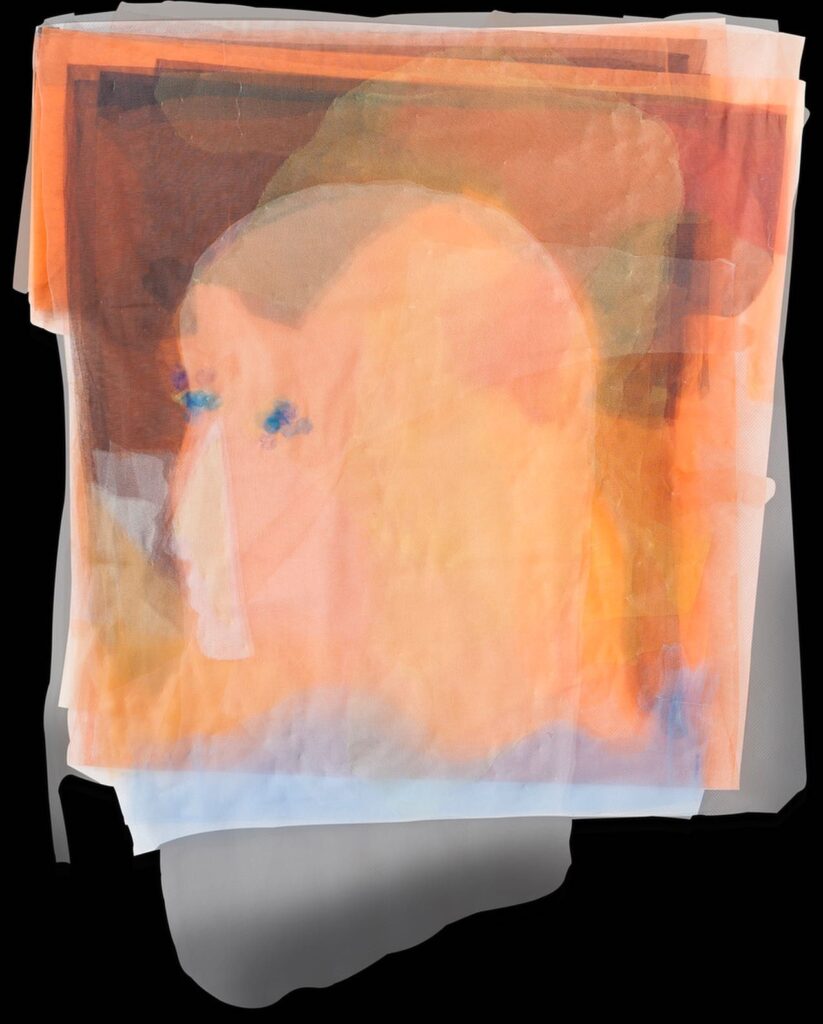
Teresa Giarcovich (1979, Buenos Aires) is an artist whose work investigates the nature of the insible, the mystical and the mysterious. Its artistic process is characterized by overlap and transparency, resulting in images of ephemeral and diffuse appearance. Inspired by the textile world, it incorporates materials such as tulle, nets and plastics, along with other media such as paper and video. Its way of working the textile is reminiscent of the technique of watercolor, where the color starts from the accumulation of different layers, of whose interaction are sensitive installations to the space that it hosts and the light they receive.
Graduated from the Rogelio Yrurtia and Prilidiano Pueyrredón schools in Buenos Aires, Giarcovich has participated in outstanding programs such as the Artists Program of Torcuato Di Tella University and the residence of the Pouch Cove Foundation in Canada. His work has been exhibited in various countries, such as Bolivia, Germany and the United States, among others.
Verovcha
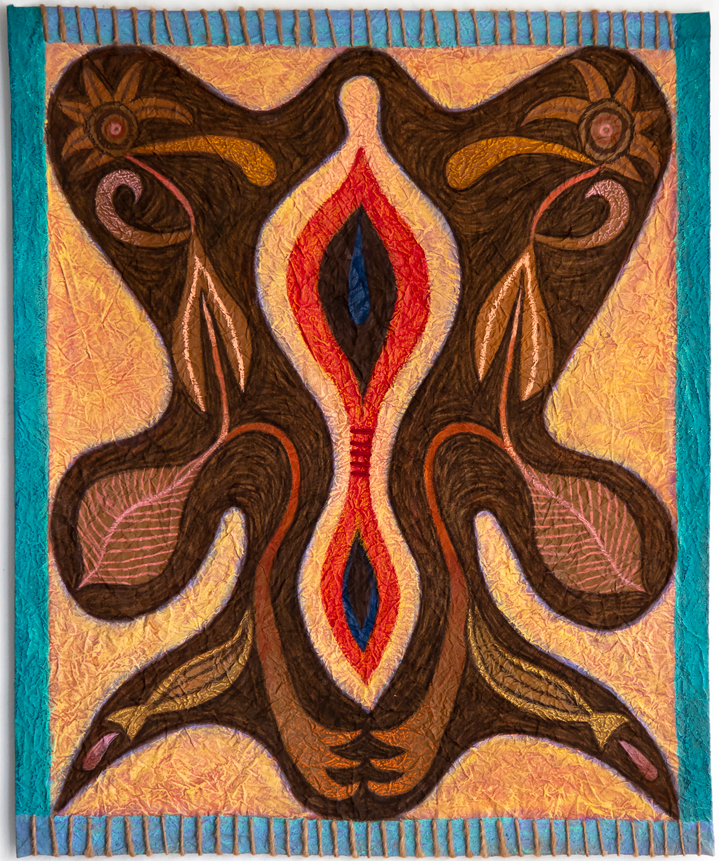
Verovcha’s work is influenced by Eastern philosophy, the Andean worldview, and the counterculture of the 1960s, imbued with psychedelia—a central element in the critique of Western rationalism.
Following the principles of tantric thought, which understands the human body as a gateway to transcendental knowledge about the universe, the depiction of an organism in a state of interconnection with its environment has become a recurring exploration in her work.
However, the artist avoids any form of realistic representation. In her hands, organic forms are synthesized and transformed into diagrams of possible metabolisms or energy-capturing systems. In this process—which can be described as a journey toward abstraction—the combination of vivid and deep colors—electric greens and oranges, celestial blues and purples, as well as pale pink and blood red—allows her to generate vibrations and intense contrasts between visions that blur the microscopic and the cosmic within each piece.
Voluspa Jarpa
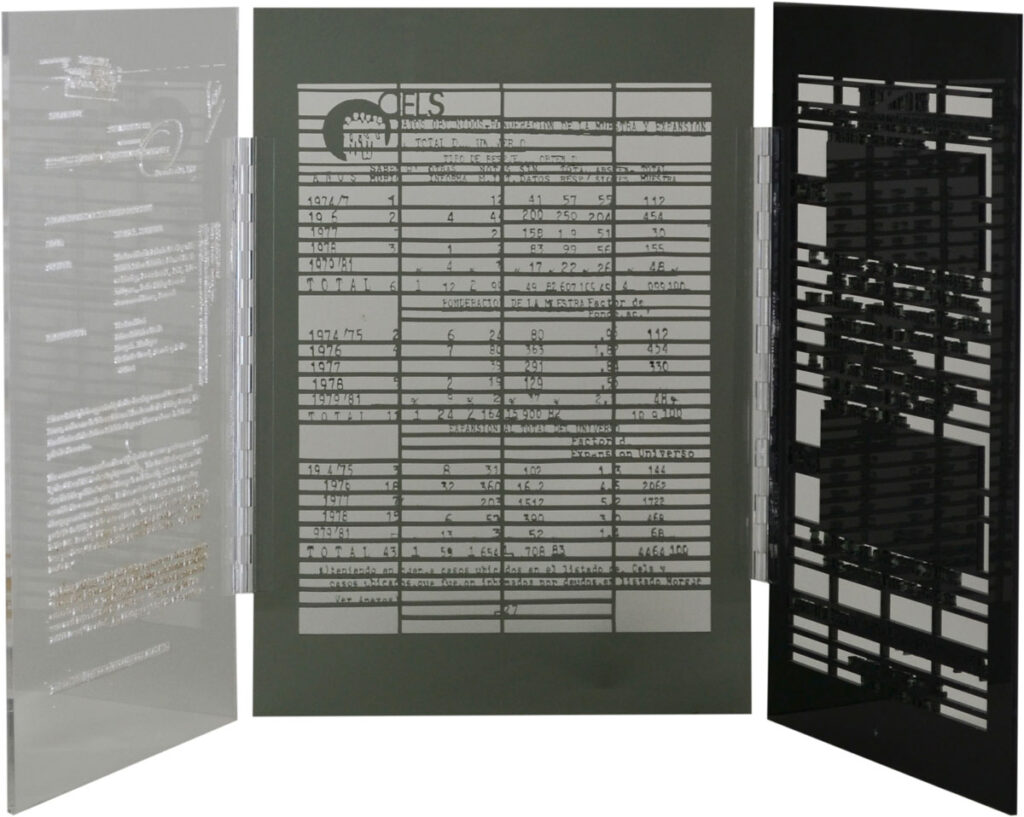
Voluspa Patricia Jarpa Saldías (b. 1971, Rancagua, Chile) earned her Art degree from the University of Chile in 1992, studying under Gonzalo Díaz, and later completed two Master’s degrees. Since 2006, she has been a faculty member at the Pontifical Catholic University of Chile.
She has exhibited internationally, participating in major biennials such as São Paulo (2014), Mercosur (2001, 2011), Shanghai (2004), and Havana (1997). Her solo exhibitions include ‘En Nuestra Pequeña Región de por Acá’ at MALBA (2016) and Matucana 100 (2017), ‘Waking State’ at Mor Charpentier in Paris (2017), and ‘Altered Views’, which represented Chile at the 2019 Venice Biennale and was later shown at the National Museum of Fine Arts in Chile (2020-2021).
Her work explores landscapes, wastelands, and vacant urban spaces while engaging with historical narratives and collective memory. She frequently examines the Freudian concept of “hysteria” and has worked extensively with declassified CIA archives on U.S. interventions in Latin America, using diverse materials and formats in her artistic practice.
Yolanda González
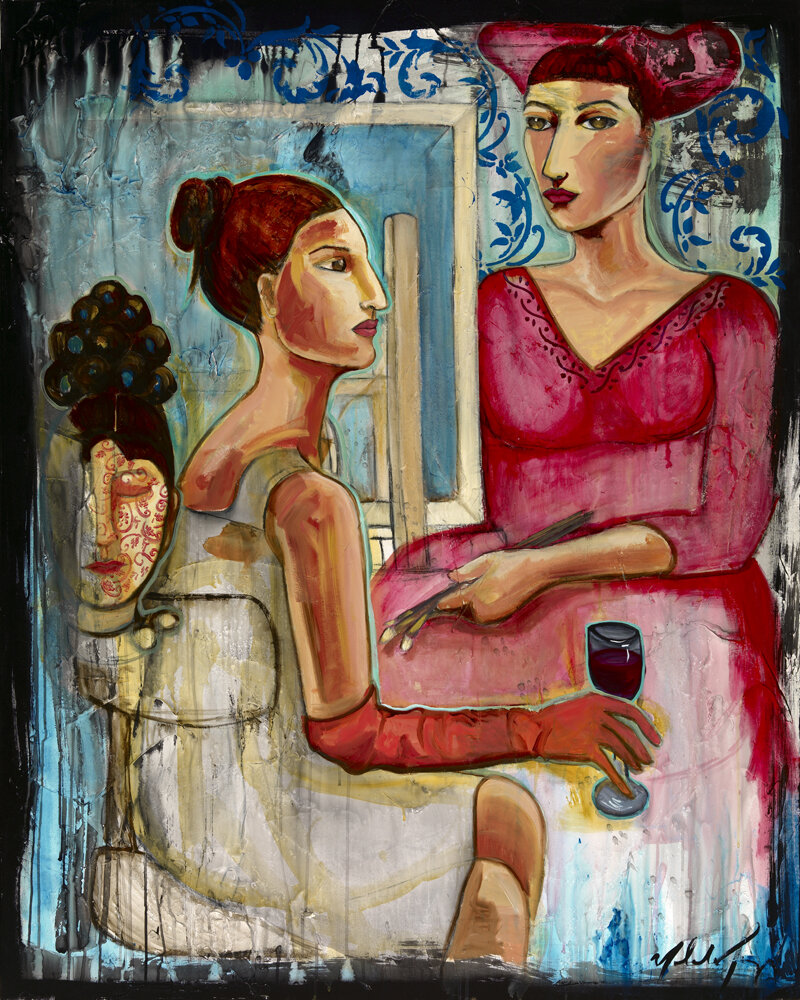
Yolanda González was born into a family whose artistic heritage dates back to 1877. Her world is one of curiosity, demonstrating her love of people and their surroundings. González’s travels in different countries, the bonds forged with individuals in those places, and the resulting transformative experiences are reflected in her art and her life. She is known for her strong, bold brush strokes of color and texture, intent on evoking imagination and emotion.
González studied at the Pasadena Art Center College of Design after winning a painting competition that awarded her a scholarship to the prestigious school. This led her to
Self-Help Graphics, an involvement that lasted for years and resulted in her being sent to Spain and Scotland as a representative for exhibitions in those countries. Over the years, she has exhibited her works in solo and group exhibitions across the United States, throughout Europe, and in South Africa. In 1998, she was an artist in residence in Ginza, Japan followed by a similar stint in Assisi, Italy during 1999. Among the many museums that have shown her work are the Armand Hammer Museum, The Geffen Contemporary at MOCA, the Japanese American National Museum and the Diego Rivera Museum in México City. Throughout the years, González has taught at Inner City Arts, Para Los Ninos, Plaza de La Raza, Crenshaw Christian Center, MOCA and AltaMed.
González has participated in exhibitions in Russia, Japan, Scotland, France, Spain, Italy, Africa, Alaska and throughout the USA. Museums that have shown her work include The Musee d’Aquitaine, Bordeaux, France; San Diego Contemporary Museum, California, USA; Armand Hammer Museum, California, USA; Temporary Contemporary Museum; Japanese American National Museum, California, USA; Chicago Museum, IL, USA; Santa Monica Museum, California, USA; Laguna Art Museum, California, USA; Diego Rivera Museum; Latino Museum; Corpus Christi Museum, Texas, USA; Museum of Monterey, California, USA; and Snite Museum of Art, Indiana, USA.